Programs
Bachelor of Arts in Journalism and Mass Communication
About Program
The Bachelor of Arts in Journalism and Mass Communication program is designed to provide students with a comprehensive understanding of the media and communication industry. With a focus on practical training and theoretical knowledge, the program equips students with the skills needed to thrive in Journalism, Advertising, Public Relations, cinema, photography, and Digital Media. After pursuing a Bachelor's degree in Journalism and Mass Communication, a student develops their skills in communication, encourages innovative thinking, and learns professional skills of photography, video production, and graphic design.
-
Duration
-
3 Years
(6 Semesters – Full-time)
-
 Bachelor of Arts in Journalism and Mass Communication
Fee structure
Eligibility Criteria
Bachelor of Arts in Journalism and Mass Communication
Minimum
45% to 50%
Candidates should have passed 10+2 or equivalent examination from a recognized board with a minimum aggregate score of 45% to 50%, depending on the institution


Program Educational Objectives (PEOs)
The Bachelor of Arts in Journalism and Mass Communication program at GRD aims to:
Knowledge Acquisition: Provide students with a strong foundation in media principles, journalism, and communication theories.
Skill Development: Build technical and creative skills in areas such as writing, reporting, video production, and content creation.
Industry Readiness: Prepare students for immediate entry into media and communication careers through practical exposure and internships.
Scope and Teaching Method
Scope
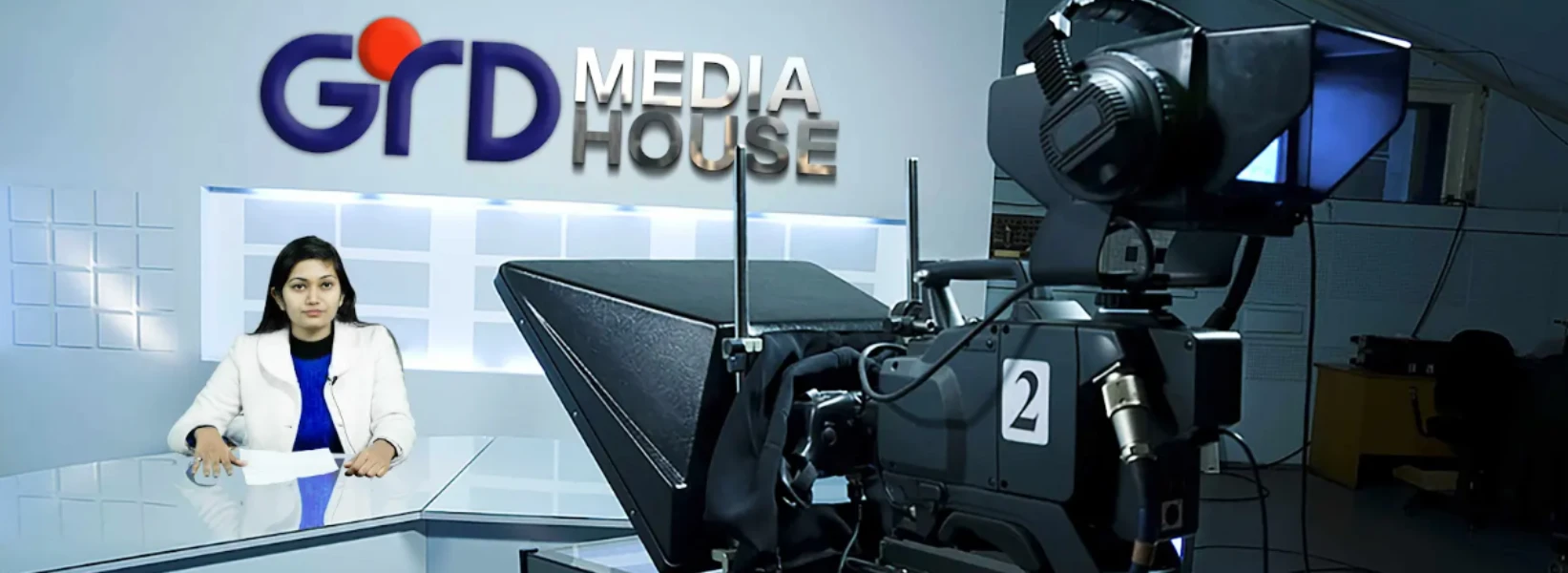
The BAJMC program offers diverse career opportunities in journalism, advertising, public relations, digital marketing, film, and corporate communications, empowering students to build successful media careers. At GRD Institute of Management & Technology, learning goes beyond classrooms through a perfect blend of theoretical understanding and practical exposure—including studio sessions, video production, photography, live reporting, internships, workshops, and industry visits. This hands-on approach equips students with essential skills in communication, creativity, and media analysis, ensuring they are job-ready for today’s dynamic media landscape.


Career Options
Graduates can explore diverse roles in the media and communication industry:
- Journalism: News Reporter, Investigative Journalist, Editor, Photojournalist, Broadcast Journalist
- Public Relations (PR): PR Specialist, Corporate Communications Officer, Media Relations Manager
- Advertising: Advertising Executive, Copywriter, Creative Director, Media Planner
- Digital Media and Social Media: Social Media Manager, Content Writer/Creator, SEO Specialist, Digital Marketing Specialist
- Film and Television: Film Director/Producer, Screenwriter, Cinematographer, TV Anchor/Host
- Corporate Communication: Corporate Communications Manager, Internal Communications Specialist, Brand Ambassador
- Event Management: Event Planner/Coordinator, Conference Moderator
- Content Creation and Blogging: Blogger/Vlogger, Influencer
- Media Planning and Buying: Media Buyer, Media Planner
- Speech Writing and Communication Consultant: Speechwriter, Communication Consultant
- Publishing: Book Editor, Publisher, Content Developer
- Voice and Radio: Radio Jockey (RJ), Voiceover Artist
- Media Research and Analysis: Media Researcher, Audience Analyst, Public Opinion Analyst
- Film and Television Critic: Critic/Reviewer
- Teaching and Academia: Lecturer/Professor, Trainer in Media Skills


Frequently Asked Questions (FAQ)
Candidates who have completed their 12th standard from any recognized board can apply.
While the diploma offers quick entry-level opportunities, the graduation program provides more in- depth knowledge and broader career options.
Yes, the diploma focuses on foundational skills, while the graduation program offers comprehensive theoretical and practical exposure.
Yes, internships are integral to both programs, ensuring real-world industry experience.
Starting packages typically range from ₹2.5 to ₹6 LPA, depending on the role and organization.
The field is evolving with digital advancements, increasing opportunities in digital journalism, content creation, and multimedia storytelling. Skills in AI, data journalism, and personal branding are becoming increasingly valuable.